Travel Package:
Migration
For birders, photographers, naturalists,
and curious travellers, explore North America’s
most remarkable migration hotspot.
7 DAYS | APRIL & OCTOBER | COMPLETE PACKAGE
From $6,999 CAD /person
Experience Haida Gwaii during migration.
Every spring and autumn, Haida Gwaii comes alive. Millions of seabirds pass along the Pacific Flyway, whales gather offshore to feed, and remote beaches become one of North America’s greatest wildlife spectacles.
This small-group adventure combines remote beaches, offshore birding, a unique floating wilderness camp, and a pelagic expedition along Haida Gwaii’s wild west coast.
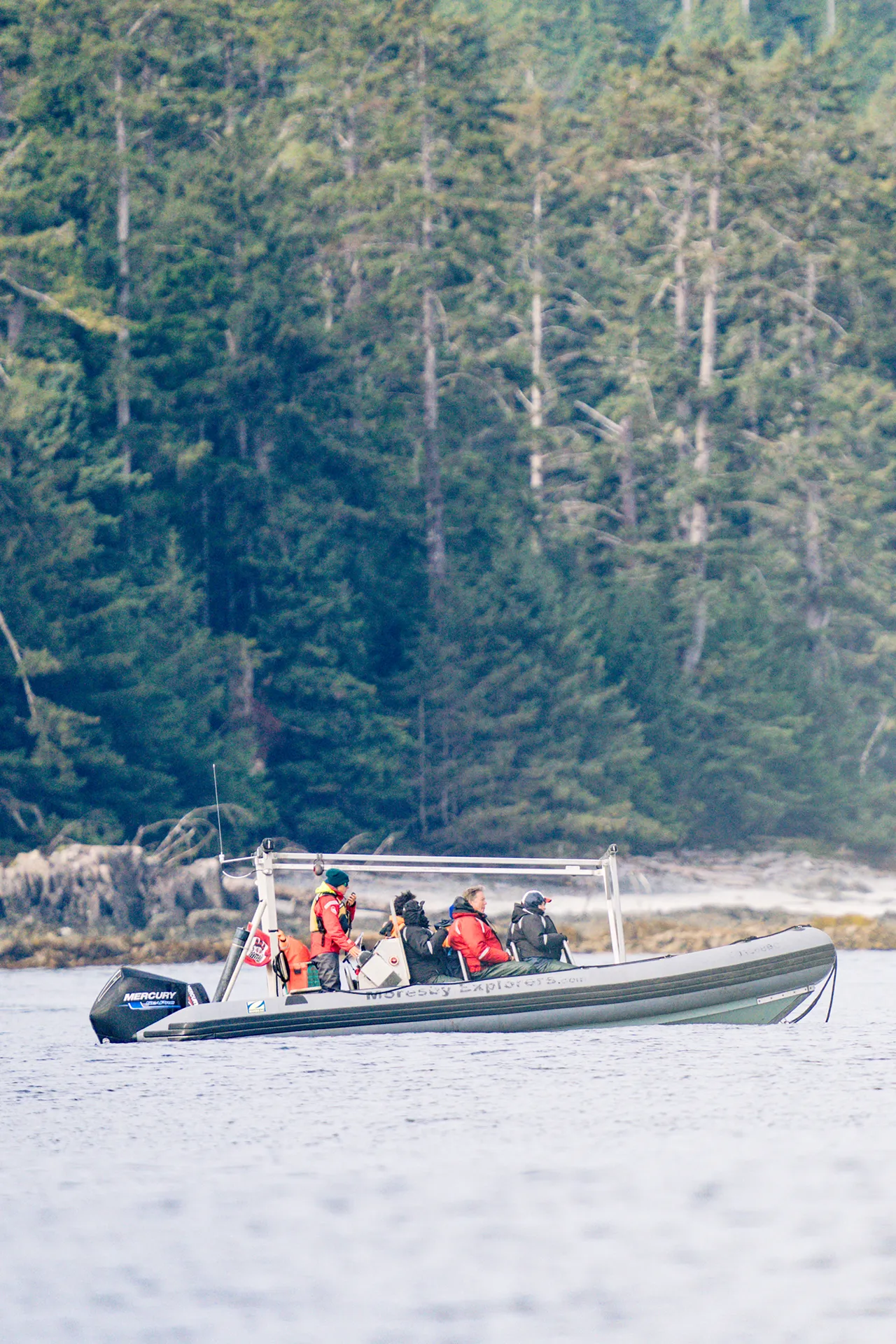
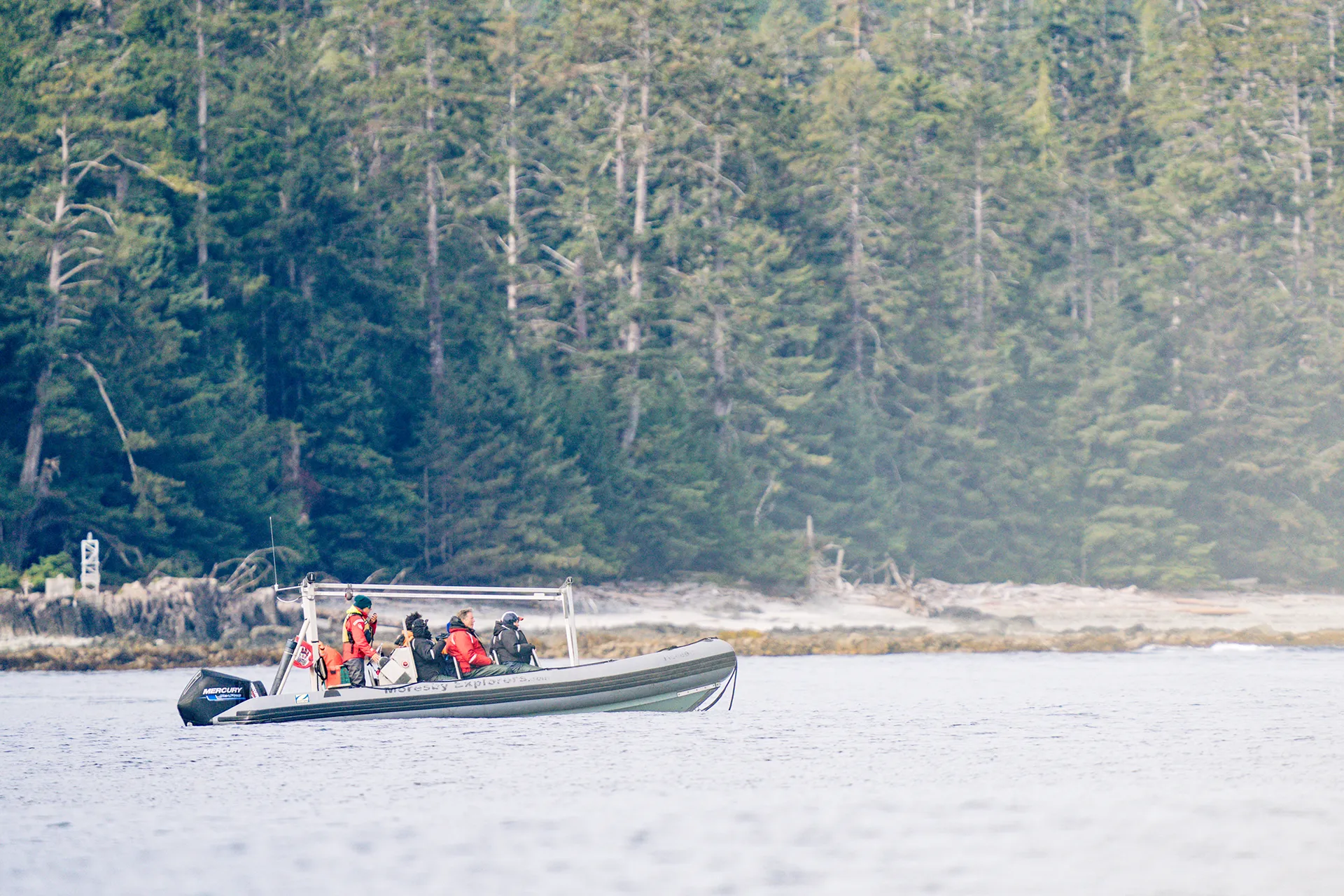
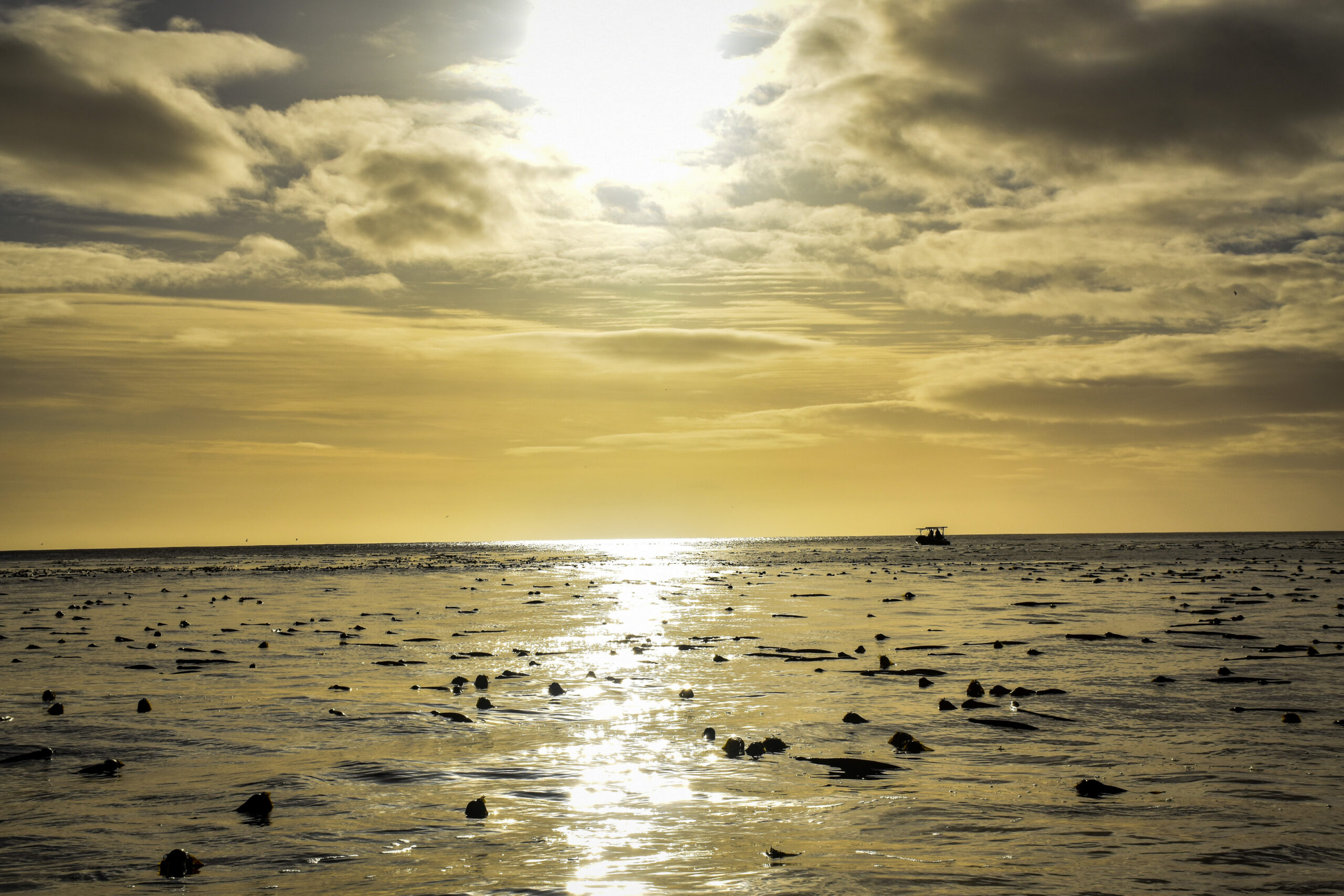
This is true expedition travel. By Zodiac, we’ll journey to the edge of the continental shelf, where the ocean plunges from 100 metres to more than 3,000 metres in only a few kilometres. These nutrient-rich waters attract some of Canada’s rarest seabirds, along with whales, dolphins and other marine wildlife.
We only run this trip twice a year.
Why You’ll Love This Trip
Return flights from Vancouver included
Small Group: Limited to 10 guests
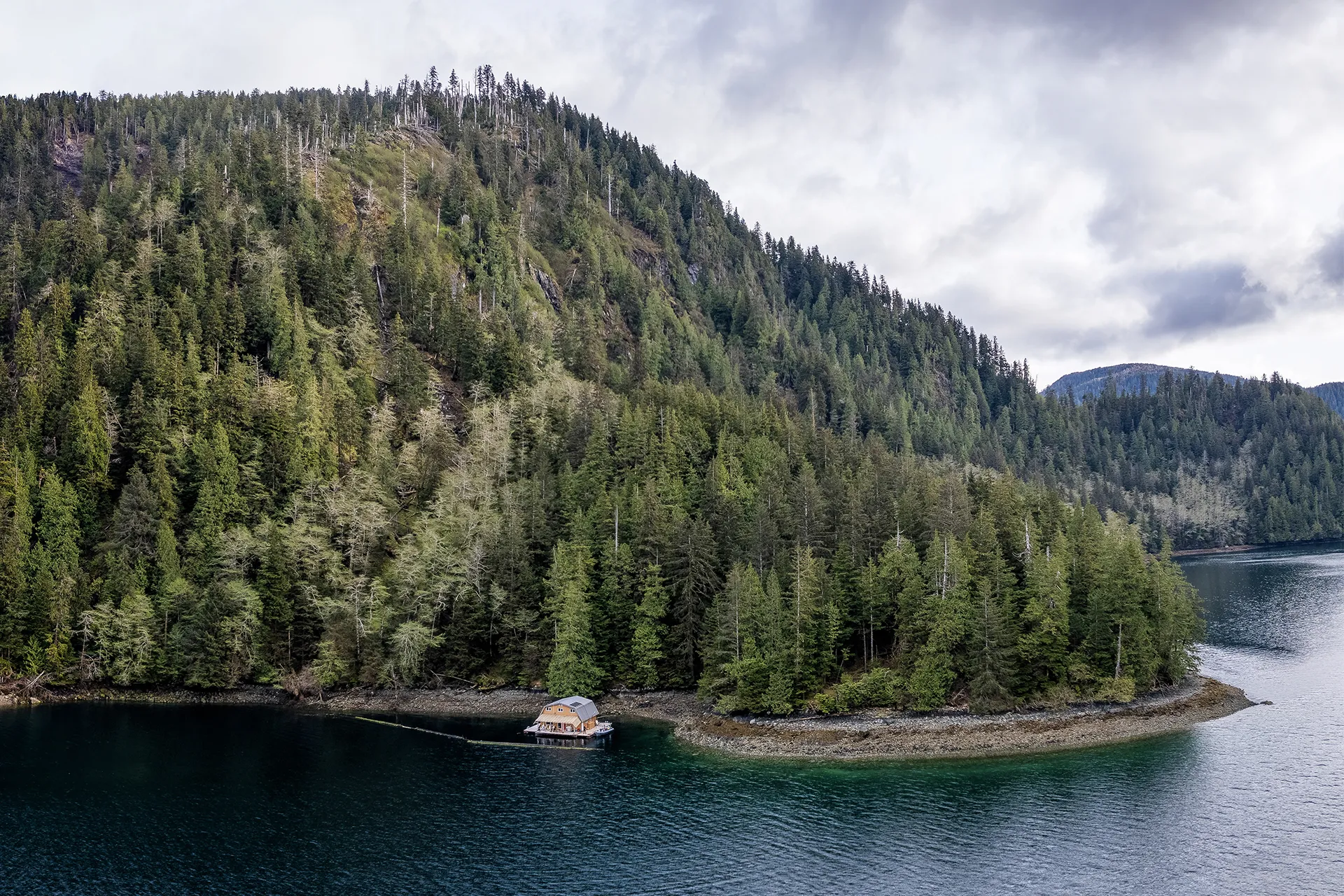
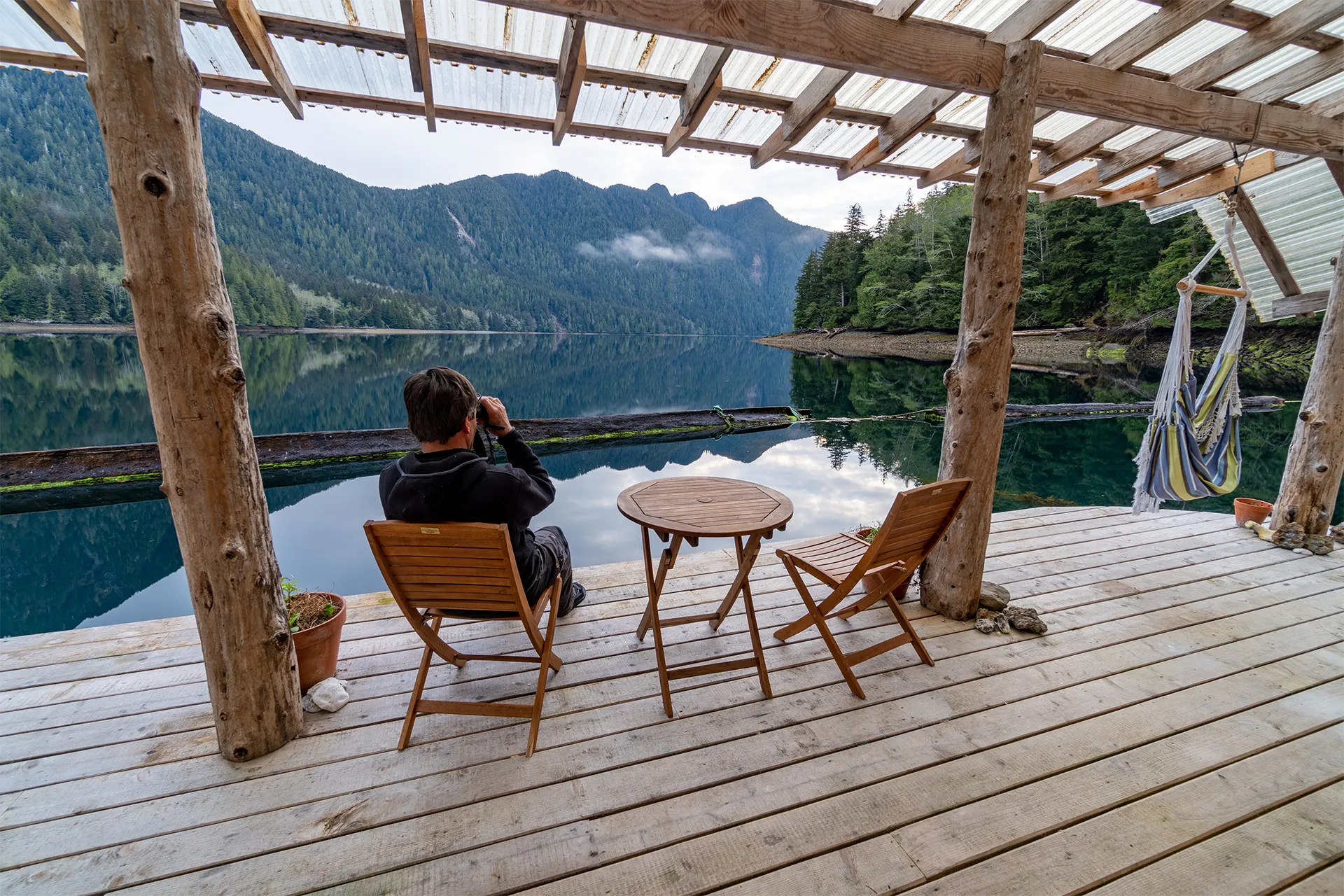
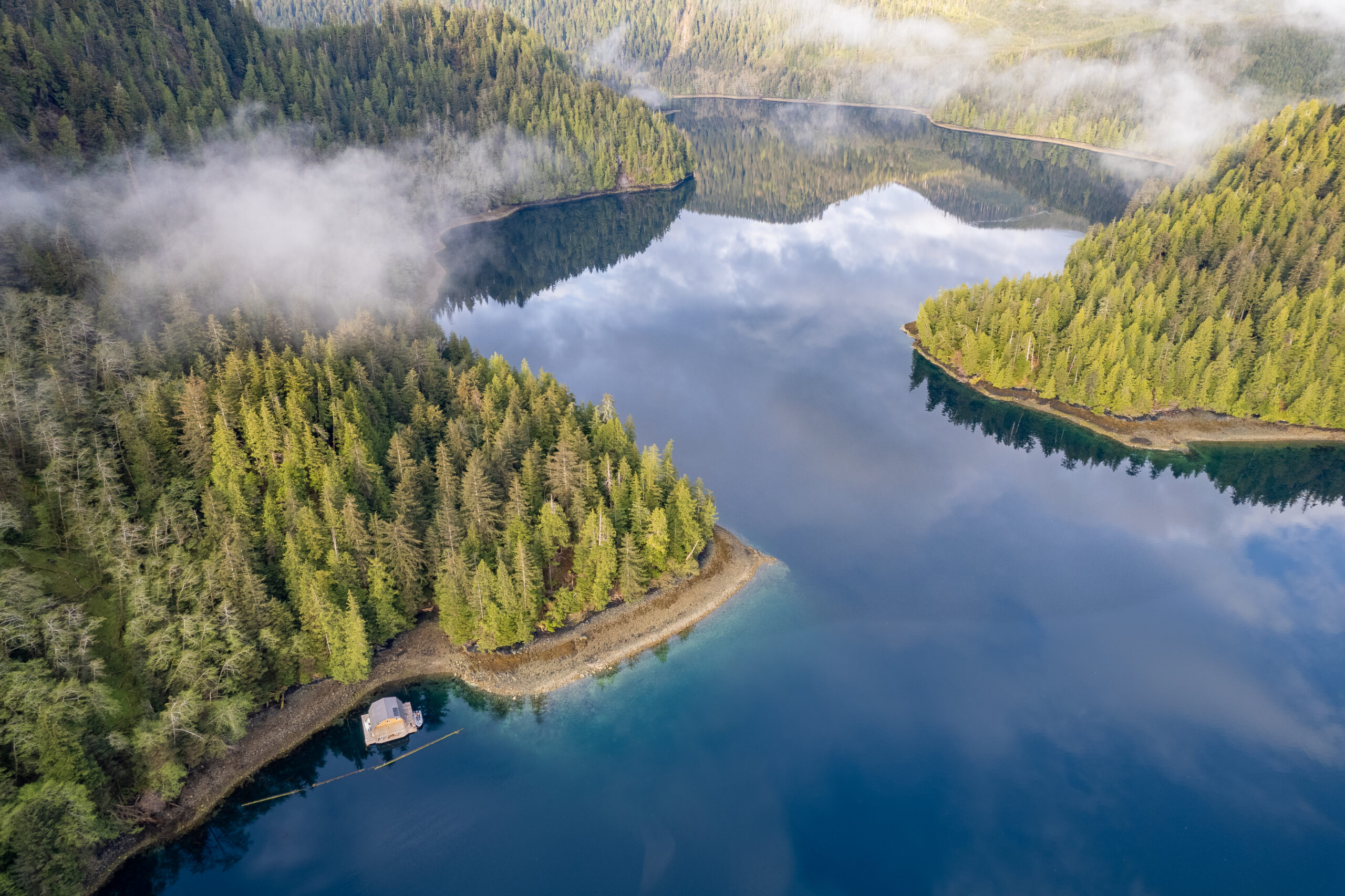
2 nights at our floating wilderness camp
4 Nights at the Seaport B&B
One of Canada’s best pelagic birding experiences
Expert naturalist.
Incredible whale and seabird viewing
All meals, accommodation and transport included
Whats included
Seven days – Complete travel package
- Return Flights from YVR
- 6 Nights accommodation
- All meals included: 6 Breakfasts, 5 Lunches, 6 Dinners
- Expert local guides
- Dedicated naturalist Kaiden Bosch
- 3-day boating and floating lodge adventure
- Zodiac Pelagic expedition
- Gwaii Haanas
- North Beach & Tow Hill
- Haida Heritage Centre
- Airport transfers
- Limited to 10 guests
Seven-Day Itinerary
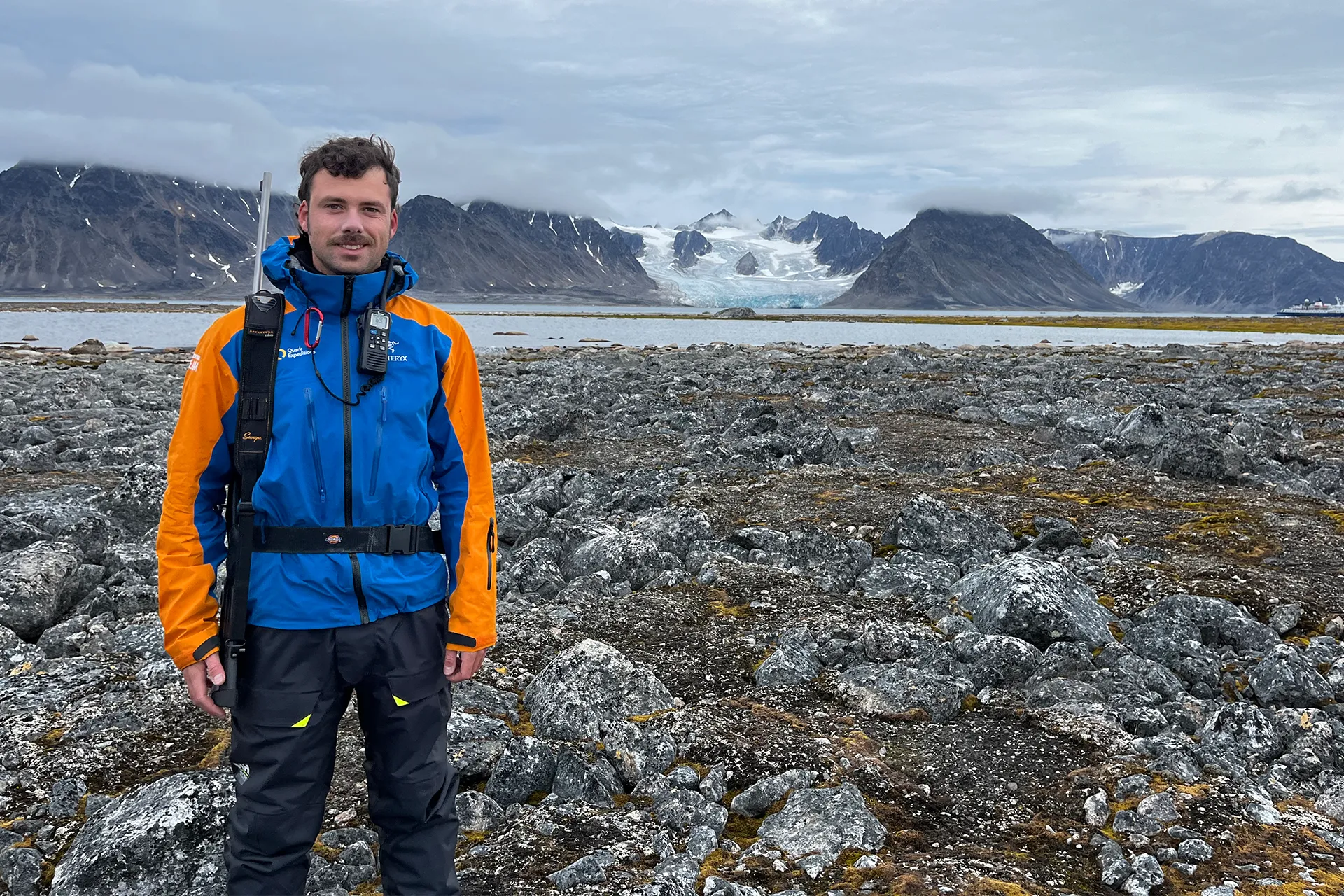
Meet Your Expert Naturalist – Kaiden Bosch
Kaiden, or Kai as most people know him, grew up on BC’s Sunshine Coast, where family boat trips through the coastal fjords sparked a lifelong love of the natural world. A bird feeder at age 13 turned that curiosity into a passion, and birds have since taken him across the globe for both work and pleasure.
Kai started out as a sea kayak guide and outdoor educator, and has worked as a field technician for BC’s Important Bird Area Program. His fieldwork has included surveying birds at herring spawns alongside remote First Nations communities, mapping goshawk nesting territories, running seabird surveys in the Great Bear Rainforest, and banding birds and surveying owls in the jungles of Belize. He also works as a naturalist, lecturer and kayak guide aboard expedition ships in the Arctic and Antarctic, and leads birding tours across the Americas.
He’s at his best out on the water, scanning for seabirds and whales, and he once paddled solo along the BC coast for six weeks. Despite having visited every continent, the BC coast is still his favourite place in the world. When he’s not guiding internationally, you’ll find Kai on Haida Gwaii, documenting the plants and birds of this remote archipelago or freediving in its cold Pacific waters.
Haida Gwaii: Birding at the Edge of the Continent
Half a million breeding pairs of seabirds. Albatrosses off the outer coast. Eurasian vagrants on fall storms. Haida Gwaii sits on the Pacific Flyway, right at the edge of the continental shelf, and it’s the seabird capital of Pacific Canada.
Why birders come here
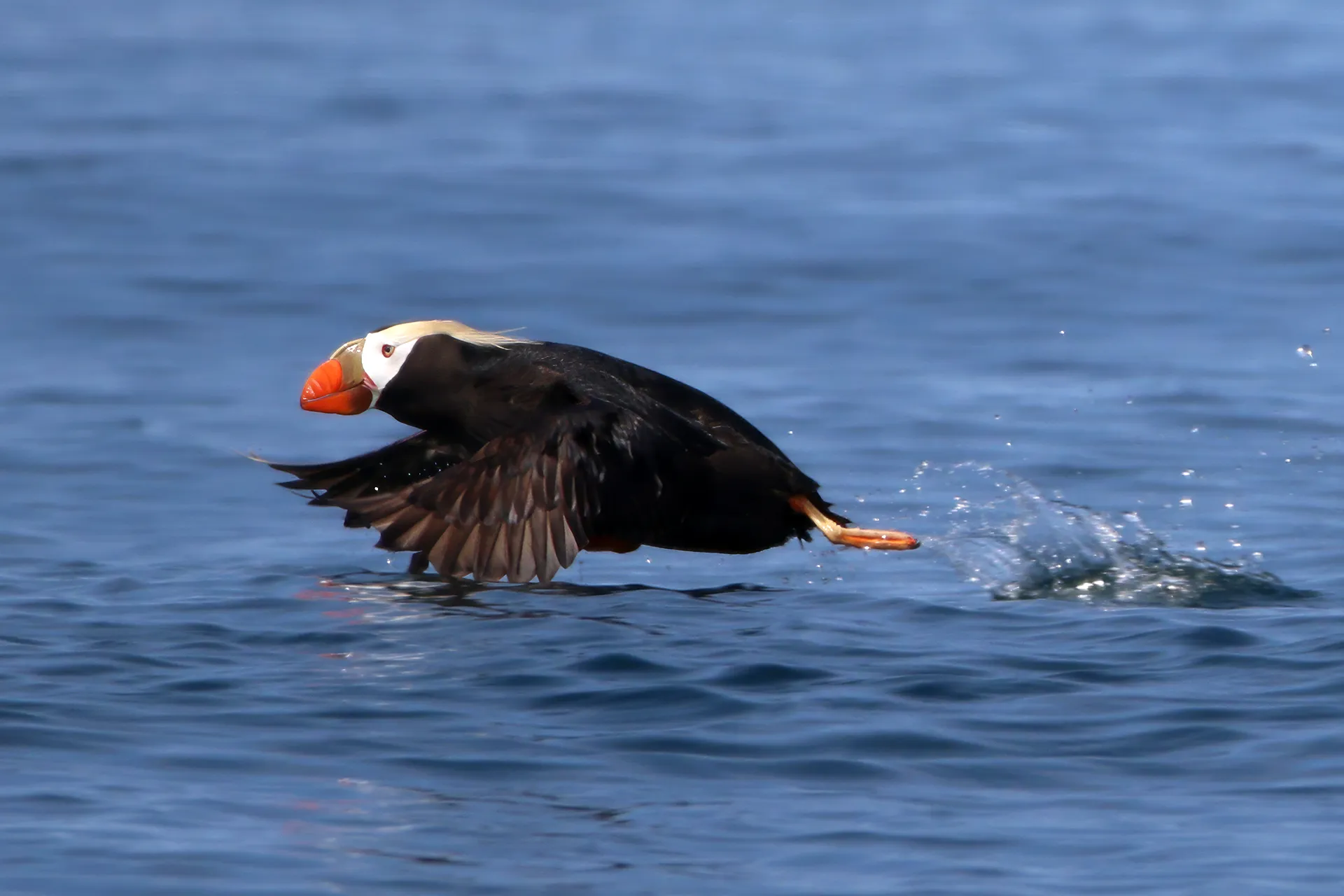
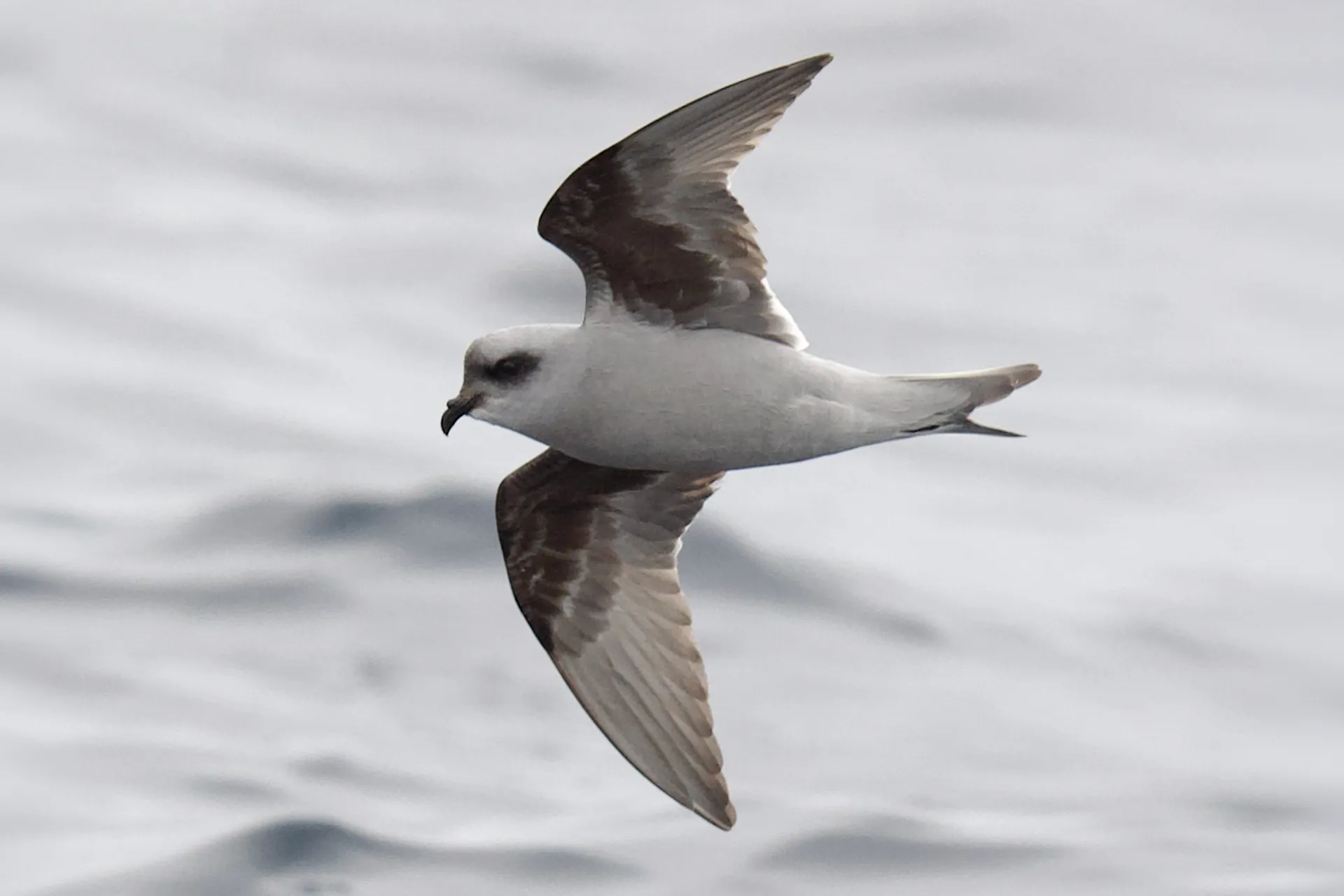
- Seabird central: Tufted and Horned Puffins, Ancient and Marbled Murrelets, Cassin’s and Rhinoceros Auklets, and Fork-tailed and Leach’s Storm-Petrels breed here.
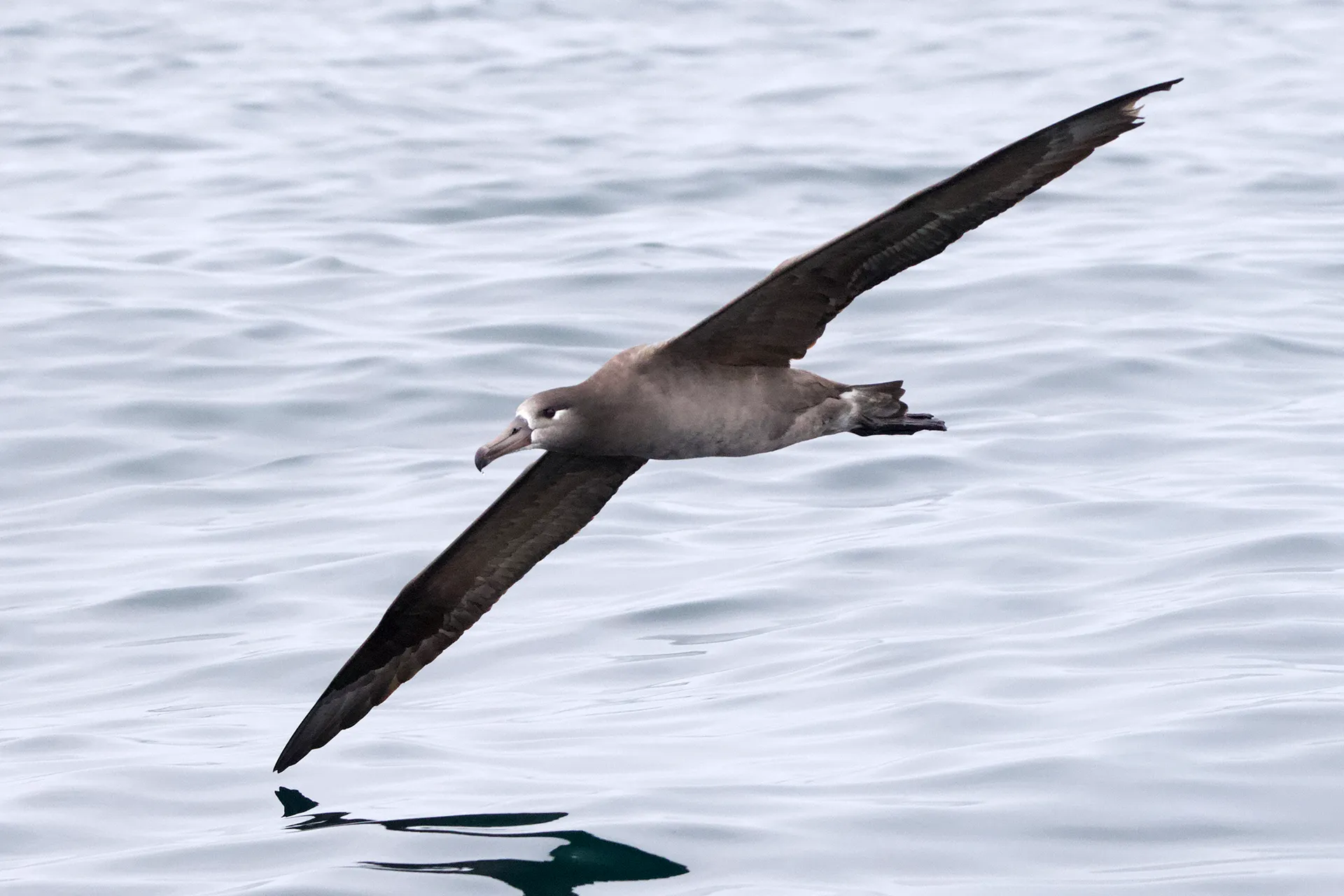
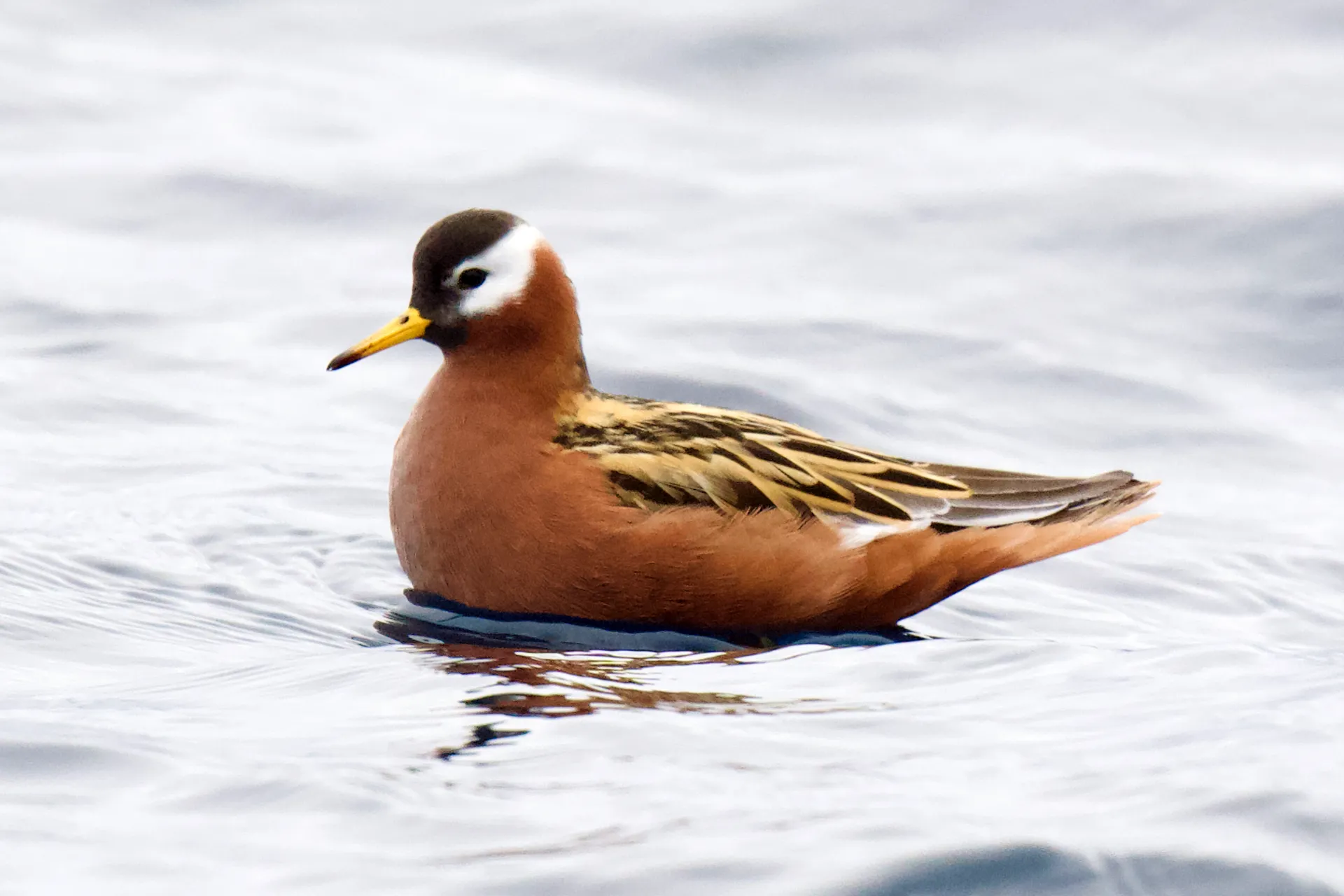
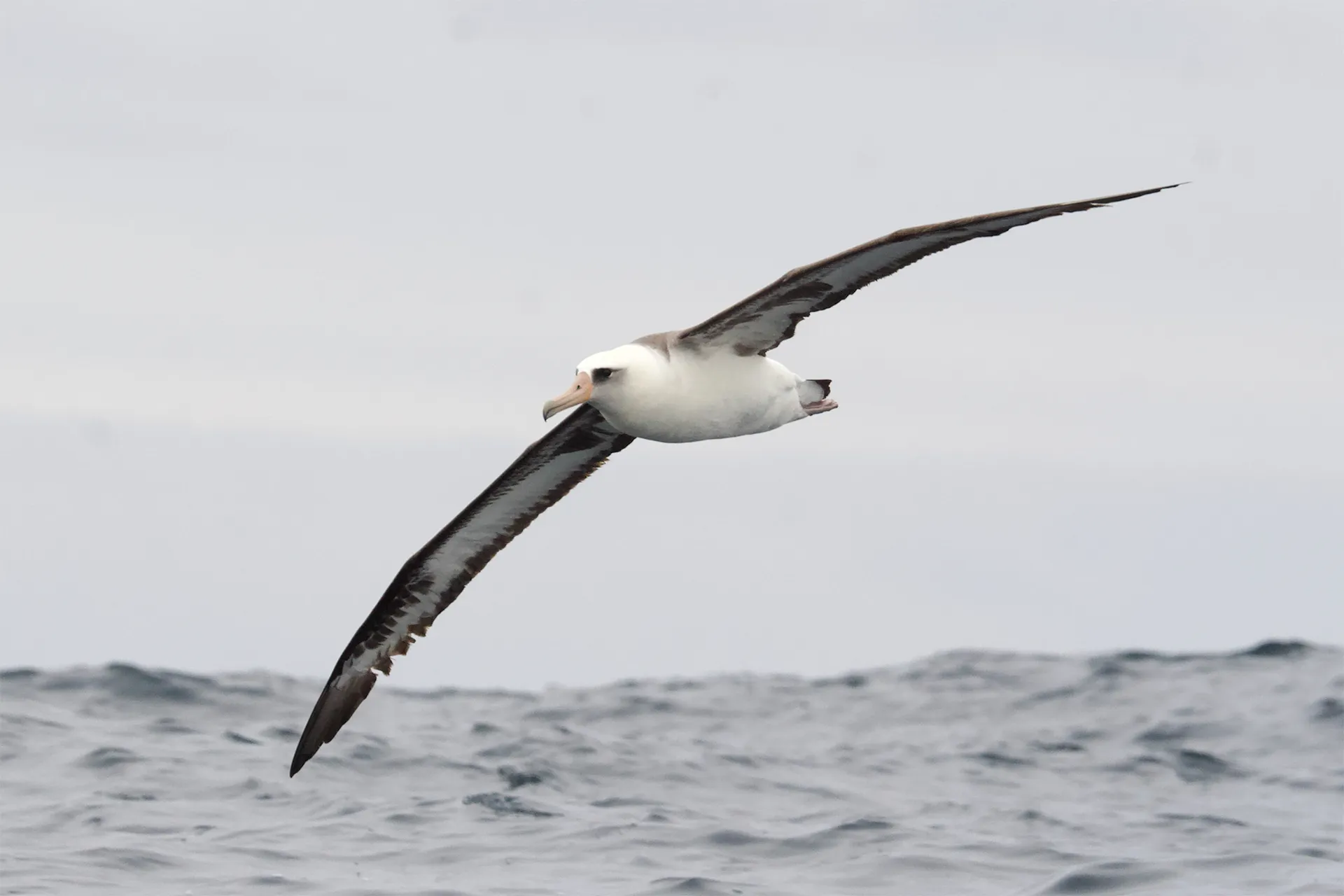
- Two coasts, two birding experiences: The sheltered east side funnels shorebirds, waterfowl, Sabine’s Gulls and Parasitic Jaegers through Hecate Strait. The exposed west coast brings Black-footed and Laysan Albatrosses, Red Phalaropes and Long-tailed Jaegers.
- Island specialties: Endemic Haida Gwaii subspecies of Northern Saw-whet Owl, Steller’s Jay, Hairy Woodpecker and Northern Goshawk, plus some of the highest densities of Peale’s Peregrine Falcon in the world.
- Vagrant hotspot: Haida Gwaii is western Canada’s top spot for fall vagrants from Eurasia, carried in by Pacific storms.
Spring or fall?
- Spring: big numbers in a short window, as birds race north to Arctic breeding grounds.
- Fall: a steady flow of migrants and the best odds of a rarity, as storms roll in from Asia and young birds go astray.
Target birds: east side and float camp
Harlequin Duck, all three scoters, Long-tailed Duck, Pacific, Common and Red-throated Loons, Marbled and Ancient (spring) Murrelets, Rhinoceros and Cassin’s Auklets, Tufted and Horned Puffins, Pigeon Guillemot, Common Murre, Red-necked Phalarope, Wandering Tattler, Surfbird, Black Turnstone, Black Oystercatcher, Fork-tailed Storm-Petrel, Sooty Shearwater, Sabine’s Gull, Black-legged Kittiwake, Parasitic Jaeger, and Peale’s Peregrine Falcon. You’ll also look for the Haida Gwaii subspecies of Hairy Woodpecker, Steller’s Jay and Northern Saw-whet Owl (spring).
Possible: Yellow-billed Loon, Northern Goshawk (Haida Gwaii subspecies), Arctic Tern, Manx Shearwater, Short-tailed Shearwater (fall)
West coast pelagic
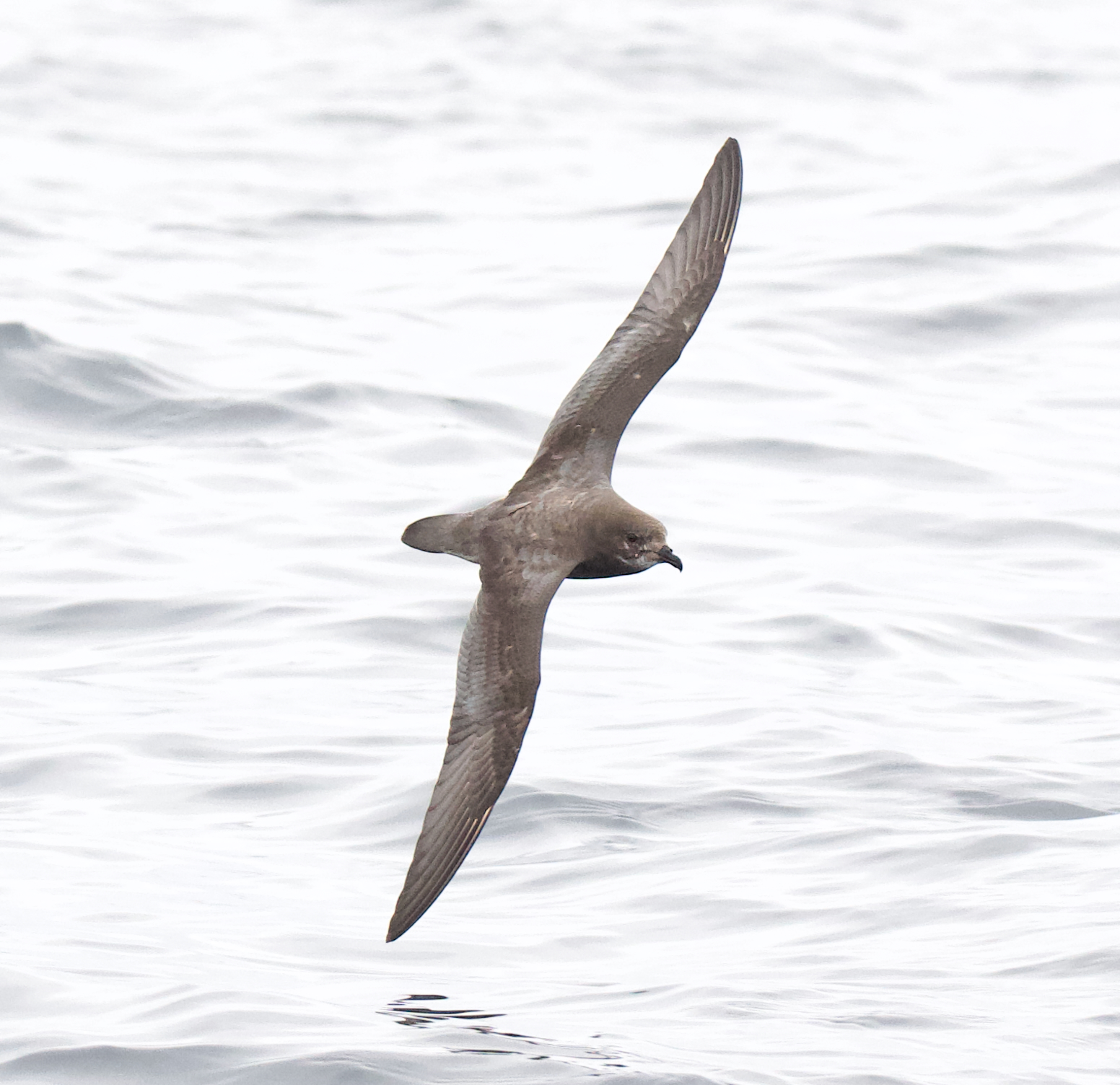
Black-footed and Laysan Albatrosses, Northern Fulmar, Sooty, Buller’s (fall), Short-tailed (fall) and Flesh-footed (spring) Shearwaters, Fork-tailed and Leach’s Storm-Petrels, Red and Red-necked Phalaropes, Long-tailed and Pomarine Jaegers, South Polar Skua (fall), Arctic Tern, plus the full suite of alcids.
Ancient rainforest, Haida cultural sites and one of the richest marine ecosystems on Earth, all on one trip.


Trip Overview
How should I dress?
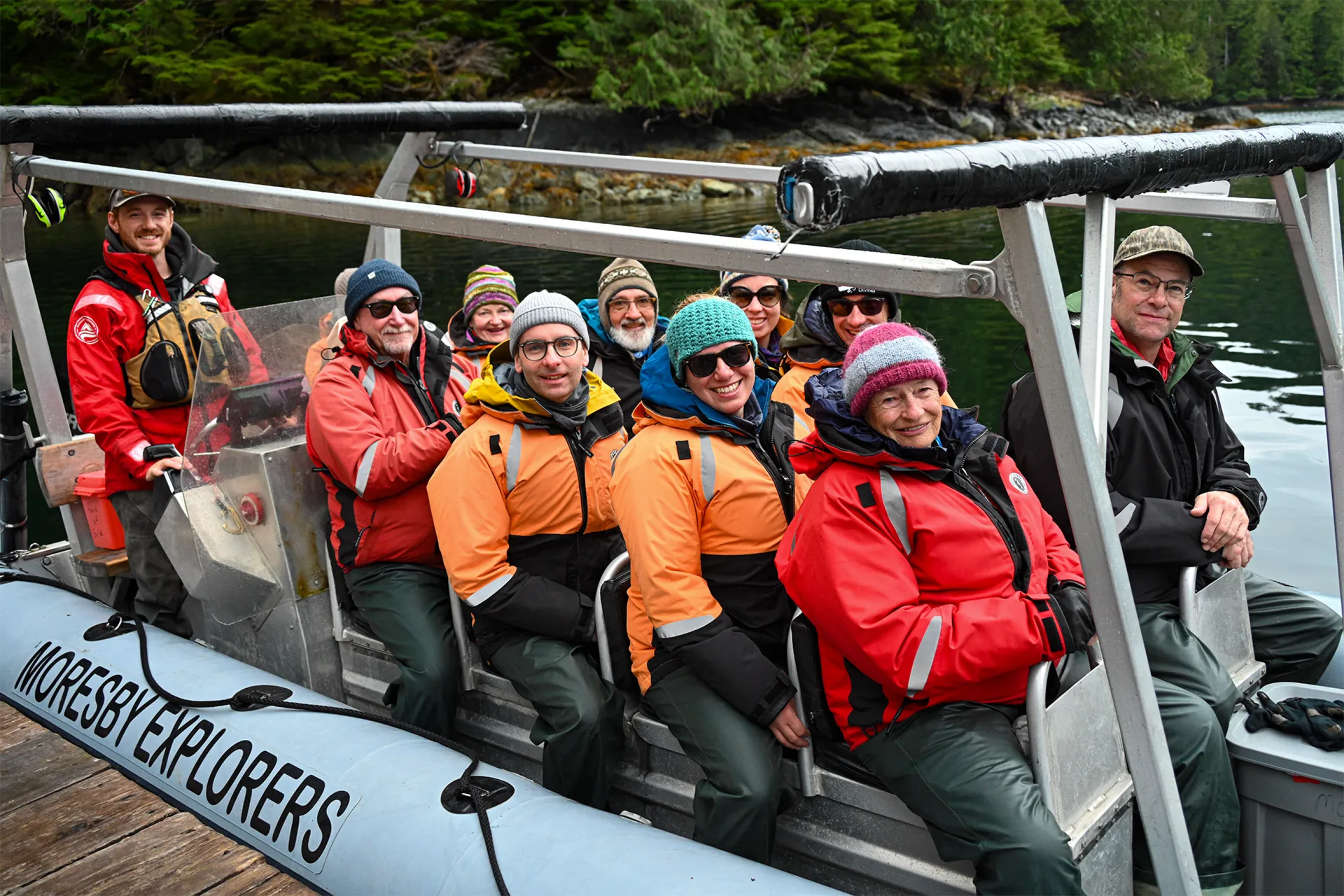
We provide wet weather gear, including a waterproof floater jacket, waterproof slicker pants and gum boots. We recommend you dress warm, with layers of wool or synthetic, gloves and a hat. Ski goggles or sunglasses are also helpful for wind, rain or ocean spray.
How much can I bring?
Our boats have limited storage under the seats. Your gear should fit in a day bag no bigger than 30 litres.
How fit do I need to be?
We hike unmanaged forest trails and rocky beaches. You need enough mobility to climb on and off our boats and hike up to 2 km per stop. Check out the information video for more details.
How bumpy are the boats?
We use rigid-hull inflatable boats, the same ones used by the Coast Guard worldwide. They are extremely stable and capable boats. However, the ocean can be rough, causing the boat to move quickly and unexpectedly. All guests must inform us of anything that may put them at risk, e.g. neck or back issues, pregnancy, etc.
How do I meet the tour?
We can pick you up in K’il Kun (Sandspit) at your accommodation around 7:20 am. If you are joining us from Graham Island, board the 7:30 am ferry, and we’ll collect you from the Aliford Bay Ferry terminal. We will return in time to catch the 5:30 pm or 7 pm ferry, or we can drop you off in Sandspit.
What’s Included?
Transportation
All overland and marine transport is included from K’il Kun (Sandspit)
Delicious home-cooked meals
All meals and snacks
Wet weather gear
Gumboots, floater jacket and slicker pants
Pelagic West Coast Expedition
With professional local guides
ACCOMMODATION
4 nights at the Seaport B&B in Sandspit
2 nights at our floating wilderness camp
NOT included
Tax (GST, PST)
Single supplement ($600)
Gratuities
Extra snacks
Additional Information
Single supplement is $600. If you are “willing to share”, please notify us while booking. If we can find someone of the same gender also “willing to share”, we waive the single supplement.
The food allowance is $50 for lunches and $100 for dinners, per person, including tax and gratuities.
Flights are provided by Air Canada.
Migration is driven by weather, wildlife, and opportunity.
Every departure remains flexible, allowing us to adapt to conditions and maximize sightings and experiences throughout the week.
No two trips are exactly the same.
Reserve Your Place
From $6,999 CAD /person + tax
Operating since 1988 – 300+ 5-star reviews, TripAdvisor Travellers’ Choice Award for 6 years straight – Locally owned and operated
Complete package
Searching Availability…
Trip Planning… Be Prepared
How to get to Haida Gwaii
Catch a ferry from Prince Rupert or fly from Vancouver.
How do I meet your tour
We’ll collect you from K’il Kun (Sandspit) or off the 7:30 am ferry from Skidegate.
How should i dress
Warmer than you might expect. Lots of layers, a hat, gloves and sunglasses or goggles. More is better!
Other FAQ
Check out our FAQ page for a deeper dive.

FAQs
How fit do I need to be to go on your tours?
You don’t need to be an athlete to join our tours, but these wilderness adventures on small open boats require some considerations. Think about handling a bouncing boat, walking on unmaintained trails, getting in and out of zodiac boats, and coping with chilly, unpredictable weather. Detailed information is available on our Health & Fitness page. Please read it thoroughly, and contact us if you have concerns about your fitness level.
Will I get seasick?
People prone to seasickness generally don’t have issues on our boats, as the motion is bouncier than the slow rocking that typically causes sickness. However, please inform your guide if you are vulnerable so they can help avoid triggering situations. Feel free to bring anti-nausea medication, but we suggest waiting to see if you need it to avoid drowsiness during your trip trip!
Can I attend the tour if I’m pregnant?
We can take you on the boat during the first or second trimester, but after that, the risk of bouncing is too high. Please consult your doctor before booking. Be aware that there may be unavoidable bouncing and jarring motions, and you would be far from medical help if anything goes wrong. We may ask for a docters note.
What will I see on the tours?
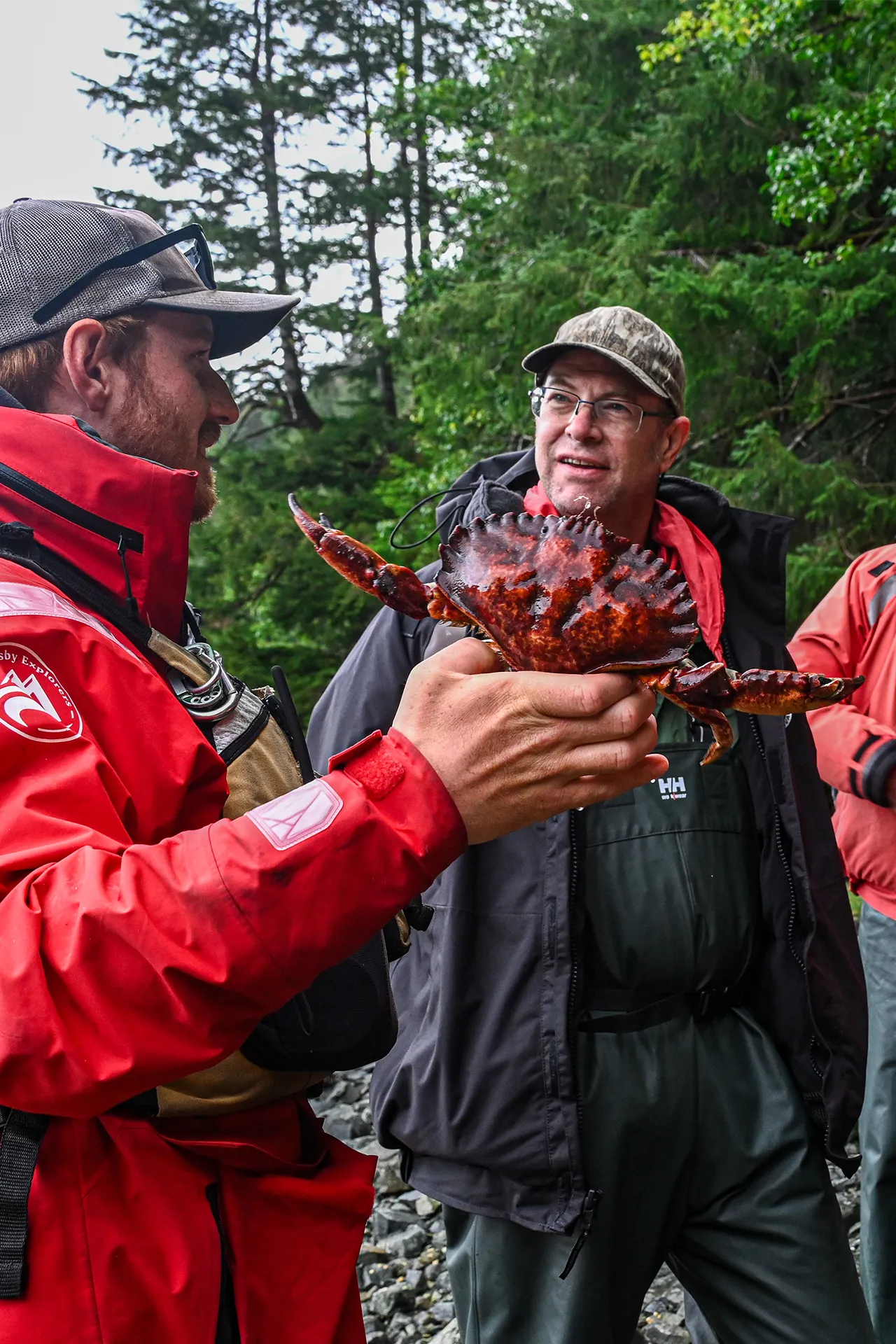
Expect breathtaking scenery, Haida Watchmen sites, old-growth rainforests, abundant wildlife (eagles, whales, sea lions, and bears), and unique geological formations.
What are the Haida Watchmen sites?
These are culturally significant Haida village sites.
Will I see wildlife?
While sightings aren’t guaranteed, our tours often encounter whales, seals, sea lions, bald eagles, and other incredible marine and terrestrial wildlife.
How should I dress? Do I really need that many layers, and things like ski goggles and a toque?
We think you’ll be happier on your tour if you wear warm clothes and ski accessories. The damp air in Haida Gwaii and frequent rain make it feel colder than expected from the forecast. On warmer days, guests often question our recommended attire. Remember, you can always remove layers, and we have storage on the boat for any unwanted clothing. You might need fewer layers on a sunny day, but for multi-day tours, bring all your layers, even if you don’t wear them the first day. We provide heavy rubber raincoats and rainpants, but if you have your own lighter rain gear, bring it too. When we reach shore, you can wear your gear under ours and switch to your lighter, more comfortable clothing.
What should I bring? How much space will I have for luggage?
Your packing list varies by tour. It is included in the booking confirmation and on your tour profile page. Since our boat has limited dry space, all gear must fit in a small soft pack or duffel (under 35L). Bags should also be compressible—no hard-shell suitcases—to fit our storage space.
What kind of footwear should I bring?
We will provide tall rubber boots for the tour to keep you dry when getting on and off the boat. We suggest bringing sturdy walking shoes in case the provided boots don’t fit or are uncomfortable. Many find it easiest to wear the boots all day to avoid constant changes but having shoes for short hikes is helpful. On overnight trips, consider slippers or sandals for the evening, though most can manage with just one pair of shoes. Remember, your walking shoes may get wet and muddy, so they should have good traction for slippery surfaces.
Should I be worried about bears?
There are black bears on Haida Gwaii, but they are generally shy and wary of humans. There has never been a report of a bear attack on Haida Gwaii. As with any wildlife, there is always some level of risk, but the islands are relatively much safer than other parts of BC in terms of dangerous wildlife.
Should I tip my guide?
We encourage you to bring some cash to tip your guide, though it’s not required. Tipping is increasingly common on guided tours, especially if the guide enhances your experience. If you tip your guide, they will share it with the office staff and cooks, but you can also tip other staff directly. For credit card tips, call our office after the tour, and we’ll charge your card to pass on the tip.
Is there a minimum amount of bookings required for a tour to run?
Yes, we require a minimum of four seats to run our tours. If the requirement is not met, the tour will be cancelled.